October 19, 2026 ·Miyetu Tree Foundation ·Programs
Walk around any growing city and you will see it happen: a row of trees is cut down to widen a road, a young tree is dug up because it is in the way of a new building, a landscaping plan is changed and the old plants are tossed aside. Many of those trees are healthy and could live for decades. At the same time, plenty of schools have bare, dusty compounds and children learning in the full heat of the sun. Our Schools Greening Program was built around that mismatch.
A second life for a tree
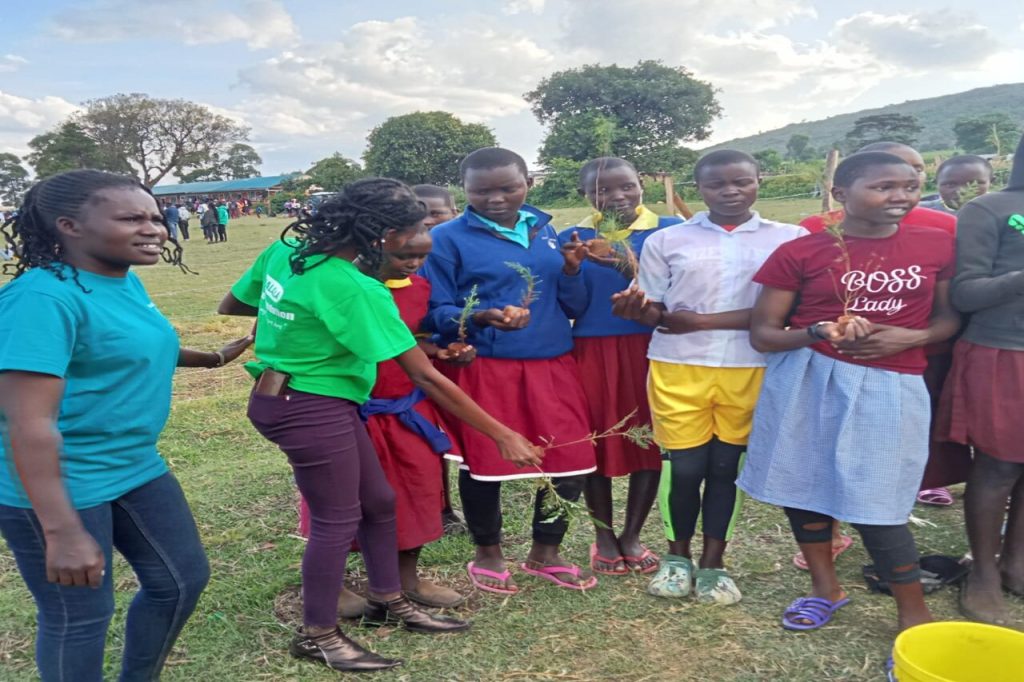
The idea is simple. We collect trees that have been marked for disposal, rehabilitate them in our care so that they recover from the shock of being moved, and then redistribute them to schools. Pupils and teachers plant them, name them, water them and look after them, turning an act of waste into an act of learning.
It is not as easy as digging up and replanting. A tree that has been uprooted loses much of its root system and needs careful handling, the right soil and consistent watering while it recovers. Doing that work ourselves, before the tree reaches the school, gives each one a far better chance of surviving.
Why schools are the right place
Schools are some of the best places in a neighbourhood to plant a tree. A single tree in a compound is seen by hundreds of children every day for years. It gives shade for outdoor lessons, cools the air around classrooms, and becomes a living resource for science, geography and art. Most importantly, children who help plant a tree usually feel a lasting sense of ownership of it.
Environmental education works best when it is hands-on. Telling children that trees clean the air and hold the soil is useful. Letting them plant one, watch it grow and notice the birds that arrive is something they remember.
What the program aims to achieve
- Reduce waste by collecting and rehabilitating trees that would otherwise be discarded.
- Increase tree cover and improve green spaces in schools.
- Involve students and teachers in planting and maintenance.
- Build partnerships with organisations, institutions and individuals who are willing to donate trees.
- Nurture a culture of sustainability among young learners.
What makes a rescued tree a good candidate
Not every tree is suited to a second life, and we try to be realistic about it. The best candidates are young, healthy trees with a reasonable amount of root intact, in a size that can be moved without serious damage. We also think about where a tree will end up: species that give good shade and stay out of the way of buildings, drains and power lines are better choices for a school compound than aggressive-rooted or very tall ones.
Looking after a tree in a school compound
A newly planted tree depends on the people around it for its first seasons. A few simple habits make a big difference, and they are easy to turn into school routines:
- Water regularly, especially in dry spells and in the first months after planting.
- Mulch the base with dry leaves or grass to keep moisture in and weeds down.
- Protect the stem with a simple guard so it is not trampled or damaged.
- Share the responsibility. Assigning a tree to a class or a school club gives pupils a clear job and a reason to check on it.
How you can be part of it
There are three groups we especially want to hear from. Schools that would like trees for their compounds. Developers, institutions and individuals who have healthy trees that could be rescued instead of thrown away. And donors who would like to sponsor the collection, nursing and planting. Read more about the program, then get in touch or make a donation to help us reach more schools.